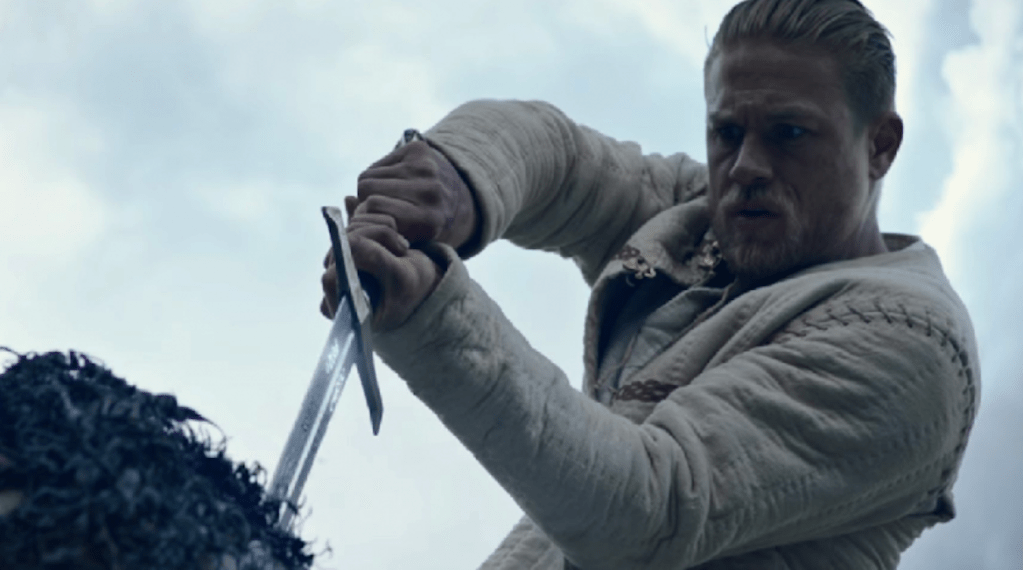
Robert Redford’s charm carries ‘The Old Man & The Gun,’ but only so far

redford_tucker

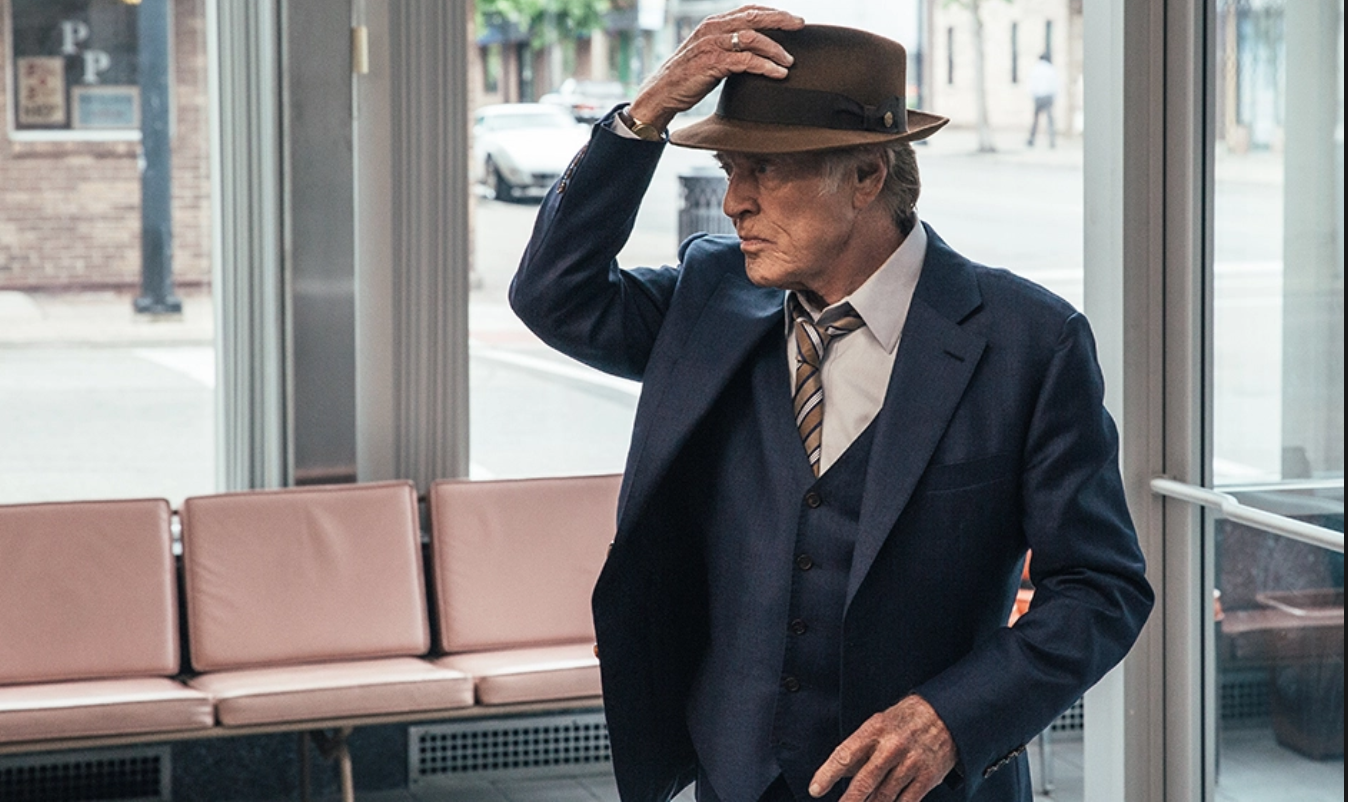
Robert Redford might regret saying that his starring role in The Old Man & the Gun may be his final on-screen performance. But if Redford is indeed going to retire from acting, he chose an excellent role to put a final bow on his acting career.

It’s difficult to imagine anyone else playing Forrest Tucker, a 70-year-old man who can’t give up robbing banks. He just loves it too much and doesn’t want to do anything else. And don’t tell him that he’s too old for this; he’ll just take that as a challenge and try to show you wrong.

Tucker is an absolute charmer, which plays perfectly to Redford’s strengths as an actor. (Even when Redford is playing a deadly serious character, he shows off a wit that can easily pull someone to his side.) The shock of a kind, extremely well-dressed old man suddenly declaring that he’s robbing the bank — usually by showing his holstered revolver — is enough to make tellers and bank managers all too willing to comply.

Policemen and federal agents are amused and flustered by a common statement among all of the people he encounters during his robberies: He was really polite. He was so nice.

It’s almost surprising that Tucker wasn’t given a nickname like “The Gentleman Bandit” (though that would probably be an implicit endorsement of his actions). The media dubs the trio “The Over-the-Hill Gang,” however.) We should probably be thankful that director David Lowery didn’t give this movie such a title either. “The Old Man and the Gun” is taken from the 2003 New Yorker article by David Grann that told Tucker’s improbable story.

Continue reading
The new ‘Halloween’ movie is lean and mean, a rightful follow-up to 1978’s original

halloween_myers

With the abundance of revivals and reboots in movies and TV, another Halloween movie might not seem like something worth our attention. Horror movies, especially, have diluted celebrated brands by making new versions of classics like The Texas Chainsaw Massacre and A Nightmare on Elm Street.

But maybe no horror brand has been more watered down and misguided over the past 40 years than the Halloween franchise. Nine sequels (two of which were reboots) have been made since the original 1978 film, each of them moving further away from John Carpenter’s original vision. (To be fair, however, Carpenters vision in 1978 may not have been more than to make a scary slasher movie.)

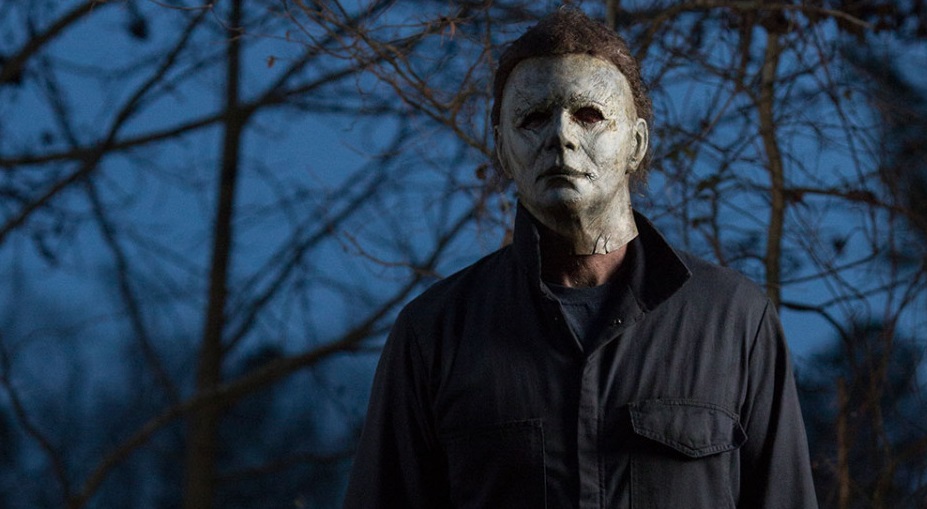
The smart move by director David Gordon Green (who co-wrote the film with Danny McBride and Jeff Fradley) was to act like those previous nine films never happened. (There’s even a line that dismisses one of the sillier developments revealed in 1981’s Halloween II.) This 2018 edition of Halloween is a direct (albeit 40 years later) sequel to the original film, returning to the story and its two primary characters after four decades have passed.

What makes this Halloween compelling is that it does something horror movies rarely do: It looks at the trauma suffered by the survivors after their nightmarish circumstances. Typically in a horror flick, the survivor (or survivor) has somehow triumphed — or somehow endured — and the movie ends with the assumption that life will go on and maybe return to some sense of normalcy.

Continue reading

‘Transformers: The Last Knight’ is total nonsense, but Michael Bay makes a mess look cool

Note: This was originally published at The Comeback in June 2017.

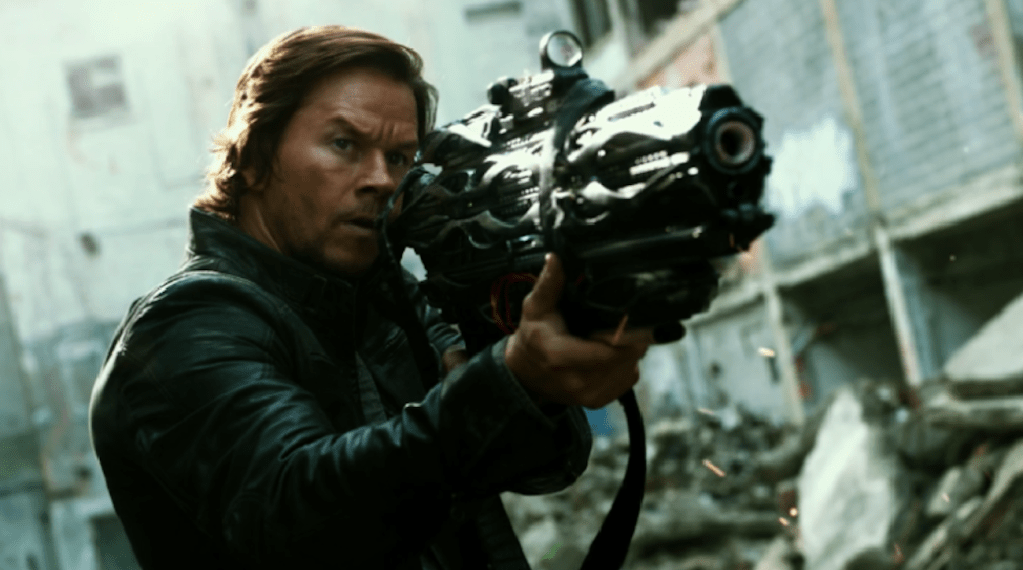
Virtually nothing in Transformers: The Last Knight makes any sense, but does that matter? If you’ve seen the previous four films in this series — or even just seen one or two of them — you know that attention to story and detail isn’t a priority for director Michael Bay and the various writers who have pounded out scripts for these toy-inspired assaults on the senses.

Yet The Last Knight almost seems to double down on devolving into complete nonsense during its two-and-a-half-hour run time. Using the word “devolving” is probably generous, implying that the movie actually started out resembling something coherent and compelling. But I’ll admit that I was with this movie for the first 60 to 90 minutes.

Sure, the left side of my brain was saying to me, “You know none of this makes any sense, right?” But the right side of my brain was still enjoying what I was seeing on screen. No matter what you think of his movies, Bay is a master visual stylist who taps into something primal with his imagery.

Yes, he’s become a cliché in many respects. There’s not a gunfight or woman’s backside that he won’t linger on lovingly with his camera. But the man still frames silhouettes against a sunset and shoots muscle cars roaring down the road or fighter jets streaking through the sky better than anybody. That stuff just looks cool. Truly, no one does it better, even if it’s long past time that Bay move on from the giant robots in disguise clashing with one another and treating the earth like their sandbox.

Continue reading

Guy Ritchie’s ‘King Arthur’ offers new take on old mythology, but won’t kickstart franchise

Note: This was originally published at The Comeback in May 2017.

Criticizing King Arthur: Legend of the Sword for being too much of a Guy Ritchie film might seem silly. You generally know what you’re getting with Ritchie as director.

He has a distinct style, utilizing speed ramping, slow motion and fast-cutting to keep the pace moving even when some scenes call for a bit more focus on detail. His characters are fast-talkers, bantering with colleagues and adversaries while often relying on wit to gain an upper hand. And music is a big factor in providing momentum, a hard-charging beat that adds to what’s shown on screen, underlining the action.

Check off all of those boxes for Legend of the Sword (which no one will call this film). This is very much a Guy Ritchie King Arthur movie. Imagine Lock, Stock and Two Smoking Barrels or Snatch taking place in medieval times, with some sword and sorcery mixed in (along with pinches of other influences like Game of Thrones300 and Man of Steel), and that’s what we have here.

It’s a reimagining of a legendary mythological figure akin to what Ritchie did with Sherlock Holmes, tearing down an old, familiar archetype that had become stuffy and reinventing it with an energy and mindset aimed at appealing to new audiences. That will work for some viewers who either aren’t all that familiar with the Arthurian mythos or are eager to see a new take on the story. But it will turn off plenty of others who already have an idea of what a King Arthur story should be and aren’t interested in any radical reinventions.

Continue reading

25 years ago, Terminator 2 raised standard for sci-fi, action movie sequels

Note: This piece was originally published at The Comeback in July 2016.

With the weak, disappointing sequels that we’ve seen so far this year at the movies — including Batman v Superman, X-Men: Apocalypse and the abysmal Independence Day: Resurgence — it’s getting difficult to remember (or believe) that a follow-up to a successful film can actually be an improvement on the original.

Yes, I realize some of you will counter that assertion with citing The Empire Strikes Back or The Godfather: Part II as great sequels. But I would argue that those movies and other strong sequels like The Road Warrior or Star Trek II: The Wrath of Khan were continuations of a larger story, rather than another standalone film that came after a breakout hit.

(This continuation caveat applies to nearly every superhero sequel, doesn’t it? It’s essentially understood that those properties are intended to be multi-film franchises. So movies like Spider-Man 2X2: X-Men UnitedThe Dark Knight, and Captain America: The Winter Soldier weren’t necessarily created when their predecessors were breakout hits. Sequels were already part of the larger plan.)

Continue reading